
Acne is a common skin disease that affects up to 80% of people in their lifetime.
It is most common among teenagers, but it can affect adults of all ages.
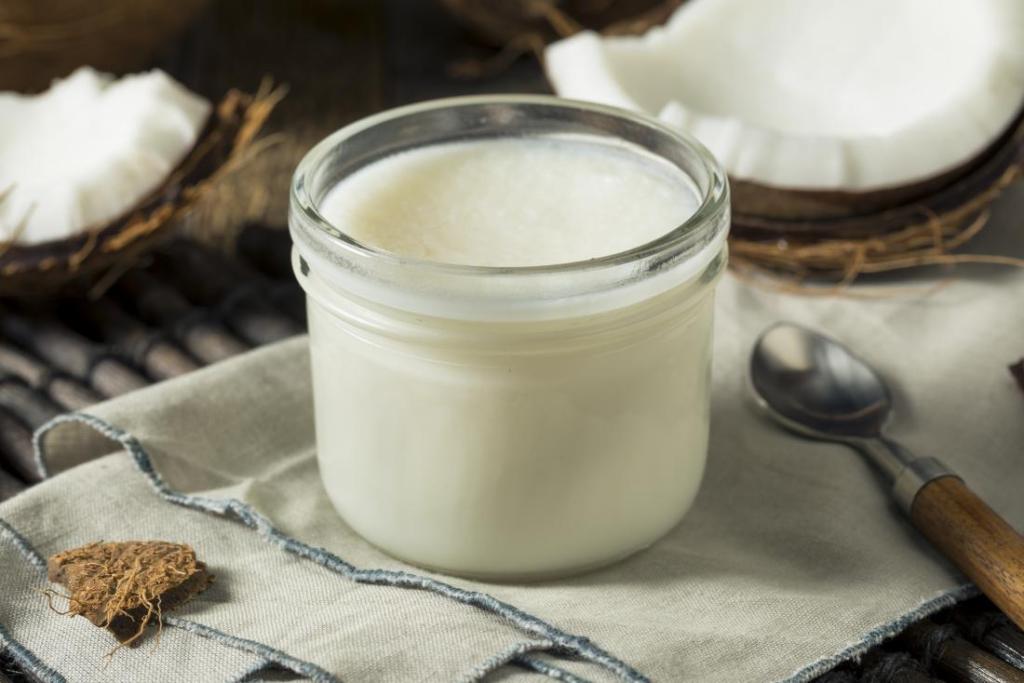
Because of coconut oil’s many health properties, some people have started using it to treat acne.
This involves applying coconut oil directly to the skin, as well as eating it.
However, while coconut oil has been studied for various health benefits, very little research has examined its ability to fight acne.
The Fatty Acids in Coconut Oil Help Kill The Bacteria That Cause Acne
Coconut oil consists almost entirely of medium-chain fatty acids.
MCFAs have strong antimicrobial effects, which means they can kill disease-causing microorganisms.
Almost 50% of the fatty acids found in coconut oil are the medium-chain lauric acid.
Lauric acid may help kill harmful bacteria, fungi and viruses in the body. On its own, lauric acid has been shown to kill P. acnes
In one study, lauric acid was more effective at killing these bacteria than benzoyl peroxide — a popular acne treatment. It also showed therapeutic potential against inflammation caused by the bacteria.
In another study, lauric acid was combined with retinoic acid. Together, they inhibited the growth of the acne-causing skin bacteria.
Coconut oil also contains capric, caproic and caprylic medium-chain fatty acids. While not as powerful as lauric acid, some of these are also effective against the bacteria that cause acne.
This property only works when applying coconut oil directly to the skin, as this is where the acne-causing bacteria are located.
AISHWARYA.A
 The Skincare Aesthetic :)